Prevent crystallization in frozen food

food science

Prevent crystallization in frozen food

I’m working on a high sugar and fat formula for frozen desserts. I’ve already had crystallization problems. I tried to improve the formula by adding trehalose but it was not good enaugh. Do you have any recomendation?

10 posts – 6 participants

Read full topic

https://fstdesk.com/t/prevent-crystallization-in-frozen-food/6284

Fish processing technology

food science

Fish processing technology

Hello Folks, whoever has been to the Fish processing industry, Kindly may I get any related Processing Technology methodologies, steps, and production sequence?. Definitely from hand to fork.

4 posts – 3 participants

Read full topic

https://fstdesk.com/t/fish-processing-technology/6265

Oxygen Scavengers: An Approach on Food Preservation

food science

Oxygen Scavengers: An Approach on Food Preservation
image

Many foods are very sensitive for oxygen, which is responsible for the deterioration of many products either directly or indirectly. In fact, in many cases food deterioration is caused by oxidation reactions or by the presence of spoilage aerobic microorganisms. Therefore, in order to preserve these products, oxygen is often excluded.

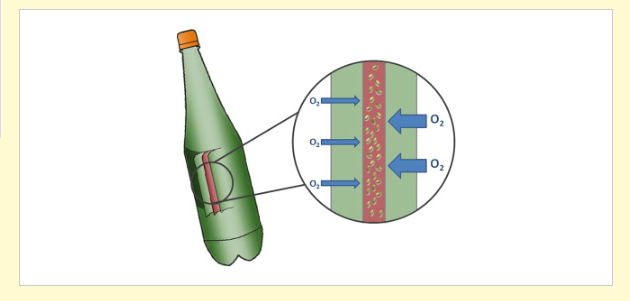
Oxygen (O2) presence in food packages is mainly due to failures in the packaging process, such as mixture of gases containing oxygen residues, or inefficient vacuum. Vacuum packaging has been widely used to eliminate oxygen in the package prior to sealing. However, the oxygen that permeates from the outside environment into the package through the packaging material cannot be removed by this method .

Modified atmosphere packaging (MAP) is often used as an alternative to reduce the O2 inside food packaging. However, for many foods, the levels of residual oxygen that can be achieved by regular (MAP) technologies are too high for maintaining the desired quality and for achieving the sought shelf-life . The use of oxygen scavenging packaging materials means that oxygen dissolved in the food, or present initially in the headspace, can potentially be reduced to levels much lower than those achievable by modified atmosphere packaging .

In this context, research and developments in the food packaging area have been conducted, aiming to eliminate residual O2. One of the most attractive subjects is the active packaging concept. Active packaging includes oxygen and ethylene scavengers, carbon dioxide scavengers and emitters, humidity controllers, flavor emitters or absorbers and films incorporated with antimicrobial and antioxidant agents .

The most used active packaging technologies for food are those developed to scavenge oxygen and were first commercialized in the late 1970s by Japan’s Mitsubishi Gas Chemical Company (Ageless®). In the case of gas scavengers, reactive compounds are either contained in individual sachets or stickers associated to the packaging material or directly incorporated into the packaging material .

The first patent of an absorber was given in 1938 in Finland. This patent was developed to remove the residual oxygen in headspace of metallic packaging. The method of introduction of hydrogen gas in the packaging to react with oxygen in palladium presence was commercialized in 1960s however this method has never been popularized and well accepted because the hydrogen was unstable during manipulation and storage and, furthermore, it is expensive and unwholesome . Recently, more than 400 patents were recorded, mainly in EUA, Japan and Europe, due the great interest by absorbers use .

Oxygen scavengers are becoming increasingly attractive to food manufacturers and retailers and the growth outlook for the global market is bullish. Pira International Ltd estimated the global oxygen scavenger market to be 12 billion units in Japan, 500 million in the USA and 300 million in Western Europe in 2001. This market was forecast to grow to 14.4 billion in Japan, 4.5 billion in the USA and 5.7 billion in Western Europe in 2007 . In addition, Pira International Ltd. estimated the global value of this market in 2005 to be worth $588 million and has forecast this market to be worth $924 million in 2010. The increasing popularity of oxygen scavenging polyethylene terephthalate (PET) bottles, bottle caps and crowns for beers and other beverages has greatly contributed to this impressive growth .

Download the full article.

Oxygen Scavengers An Approach on Food Preservation.pdf (806.6 KB)

Renato Souza Cruz, Geany Peruch Camilloto and Ana Clarissa dos Santos Pires (August 22nd 2012). Oxygen Scavengers: An Approach on Food Preservation, Structure and Function of Food Engineering, Ayman Amer Eissa, IntechOpen, DOI: 10.5772/48453. Available from: Oxygen Scavengers: An Approach on Food Preservation | IntechOpen

4 posts – 4 participants

Read full topic

https://fstdesk.com/t/oxygen-scavengers-an-approach-on-food-preservation/6264

Water Quality Parameters

food science

Water Quality Parameters

image

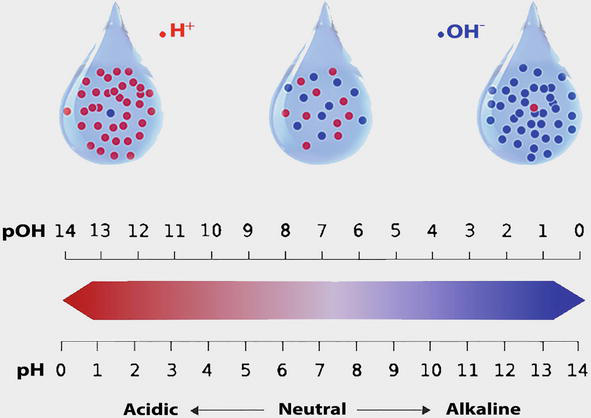
Since the industrial revolution in the late eighteenth century, the world has discovered new sources of pollution nearly every day. So, air and water can potentially become polluted everywhere. Little is known about changes in pollution rates. The increase in water-related diseases provides a real assessment of the degree of pollution in the environment. This chapter summarizes water quality parameters from an ecological perspective not only for humans but also for other living things. According to its quality, water can be classified into four types. Those four water quality types are discussed through an extensive review of their important common attributes including physical, chemical, and biological parameters. These water quality parameters are reviewed in terms of definition, sources, impacts, effects, and measuring methods.

Download full article.

Water Quality Parameters.pdf (795.8 KB)

Nayla Hassan Omer (October 16th 2019). Water Quality Parameters, Water Quality – Science, Assessments and Policy, Kevin Summers, IntechOpen, DOI: 10.5772/intechopen.89657. Available from: Water Quality Parameters | IntechOpen

2 posts – 2 participants

Read full topic

https://fstdesk.com/t/water-quality-parameters/6263

QMS Survey

food science

QMS Survey

Hello All,

My company iMonitor specializes in building software for the food industry as a whole. We are currently building feature set to specifically cater QMS/GMP/ISO22000 food manufacturing plants.

We need your help to establish the industry landscape.

As an incentive, we are offering $150 USD to a lucky winner

you can answer the survey here

3 posts – 2 participants

Read full topic

https://fstdesk.com/t/qms-survey/6227

Masking sour taste

food science

Masking sour taste

Hi all,

Do any of you have experience with masking sourness (from organic acids) without affecting pH?
The whole process of making this product is wet (vegetables, potatoes).
Sugar and sodium in this product are a no go.

Thank you!

16 posts – 5 participants

Read full topic

https://fstdesk.com/t/masking-sour-taste/6188

Treatment for breast cancer from the pigeon pea

food science

Treatment for breast cancer from the pigeon pea

Need to know about medicinal values of pigeon pea…and also extract the medicinal values for breast cancer from pigeon pea

8 posts – 3 participants

Read full topic

https://fstdesk.com/t/treatment-for-breast-cancer-from-the-pigeon-pea/6163

Addition of sulfur dioxide in Pulps as preservative

food science

Addition of sulfur dioxide in Pulps as preservative

Can anyone help me in something related to addition of sulphur dioxide to fruit pulps… (KMS ADDITION) process how to add and what is the best and fast procedure to determine the SO2 and Is it only the SO2 and Sulphite (Free or Total or Residual) which act as allergens… Or is it the sulphate also…

6 posts – 4 participants

Read full topic

https://fstdesk.com/t/addition-of-sulfur-dioxide-in-pulps-as-preservative/6137

Shelf life of Australian red meat

food science

Shelf life of Australian red meat

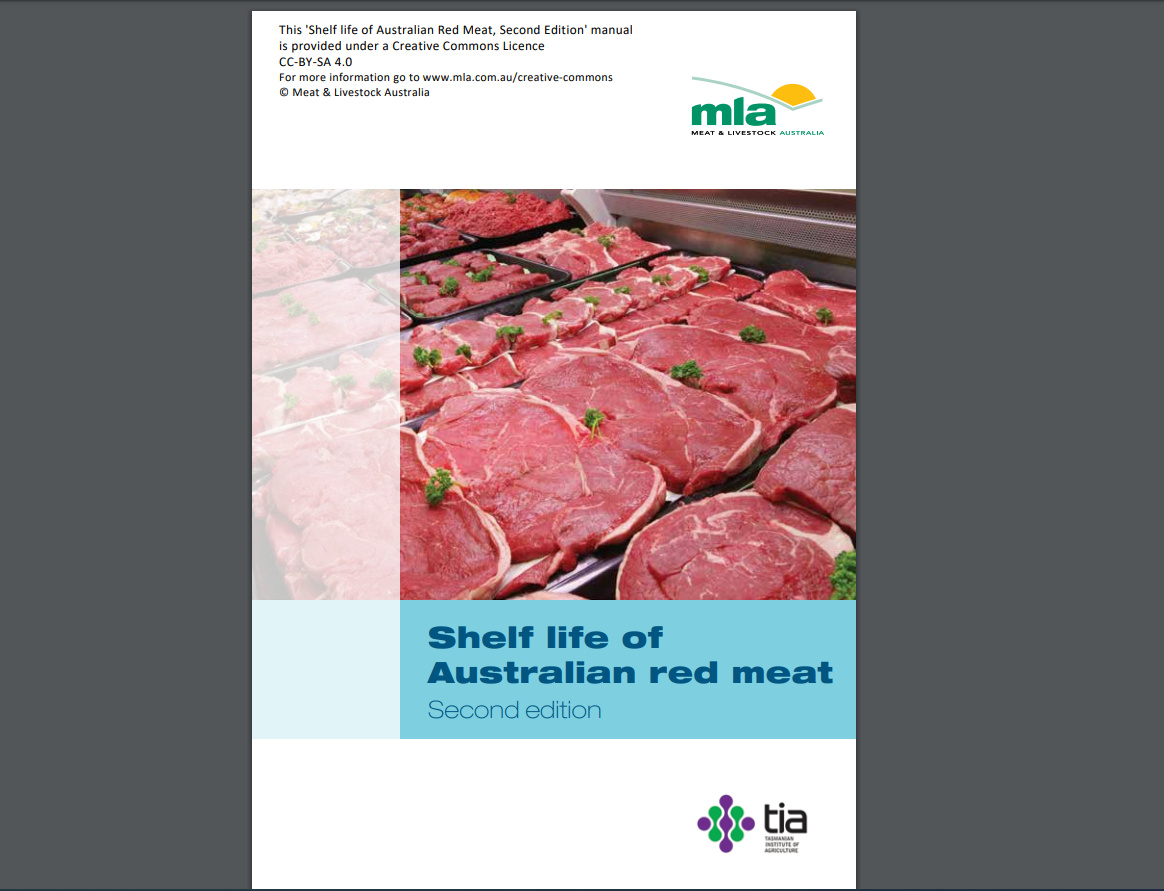
Australian meat has a reputation around the world for excellent shelf life. The Australian meat industry produces meat products with shelf lives ranging from a few days (entire cuts, roasts and ground meats) to several months (vacuum-packed primals) to more than one year (frozen manufacturing meat). The industry services domestic and export markets in the retail and further processing sectors, all of which impose specifications or standards which relate to shelf life.

The purpose of this book is to explain the important elements that contribute to shelf life so that everyone in the supply chain can do their part to maintain a superior standard. It is also intended for Australian meat customers so that they can understand the technical aspects of the product, what to expect of
Australian meat and how to set appropriate criteria for product acceptance.

As will be seen from the Contents page, the scope of this book is wide.

It provides up-to-date information on the shelf life of Australian meat for a range of users who operate in the technical, regulatory and marketing spheres. To satisfy this broad spectrum of readers, each section is ‘paced’, progressing from a basic level and ending with the latest research work; a reference list is provided at the end of each section for those who wish to read further.
This second edition contains numerous research updates from CSIRO and University of Tasmania on shelf life of primals and sub primals, and on interventions. The shelf life predictor has also been developed to a stage where it has great potential value, especially for emerging markets where the
cold chain infrastructure is not well developed.

Download the book.

shelf-life-of-australian-red-meat-2nd-edition.pdf (1.3 MB)

Resoruce.
https://www.mla.com.au/

1 post – 1 participant

Read full topic

https://fstdesk.com/t/shelf-life-of-australian-red-meat/6099