QMS Survey

food science

QMS Survey

Hello All,

My company iMonitor specializes in building software for the food industry as a whole. We are currently building feature set to specifically cater QMS/GMP/ISO22000 food manufacturing plants.

We need your help to establish the industry landscape.

As an incentive, we are offering $150 USD to a lucky winner

you can answer the survey here

3 posts – 2 participants

Read full topic

https://fstdesk.com/t/qms-survey/6227

Masking sour taste

food science

Masking sour taste

Hi all,

Do any of you have experience with masking sourness (from organic acids) without affecting pH?
The whole process of making this product is wet (vegetables, potatoes).
Sugar and sodium in this product are a no go.

Thank you!

16 posts – 5 participants

Read full topic

https://fstdesk.com/t/masking-sour-taste/6188

Treatment for breast cancer from the pigeon pea

food science

Treatment for breast cancer from the pigeon pea

Need to know about medicinal values of pigeon pea…and also extract the medicinal values for breast cancer from pigeon pea

8 posts – 3 participants

Read full topic

https://fstdesk.com/t/treatment-for-breast-cancer-from-the-pigeon-pea/6163

Addition of sulfur dioxide in Pulps as preservative

food science

Addition of sulfur dioxide in Pulps as preservative

Can anyone help me in something related to addition of sulphur dioxide to fruit pulps… (KMS ADDITION) process how to add and what is the best and fast procedure to determine the SO2 and Is it only the SO2 and Sulphite (Free or Total or Residual) which act as allergens… Or is it the sulphate also…

6 posts – 4 participants

Read full topic

https://fstdesk.com/t/addition-of-sulfur-dioxide-in-pulps-as-preservative/6137

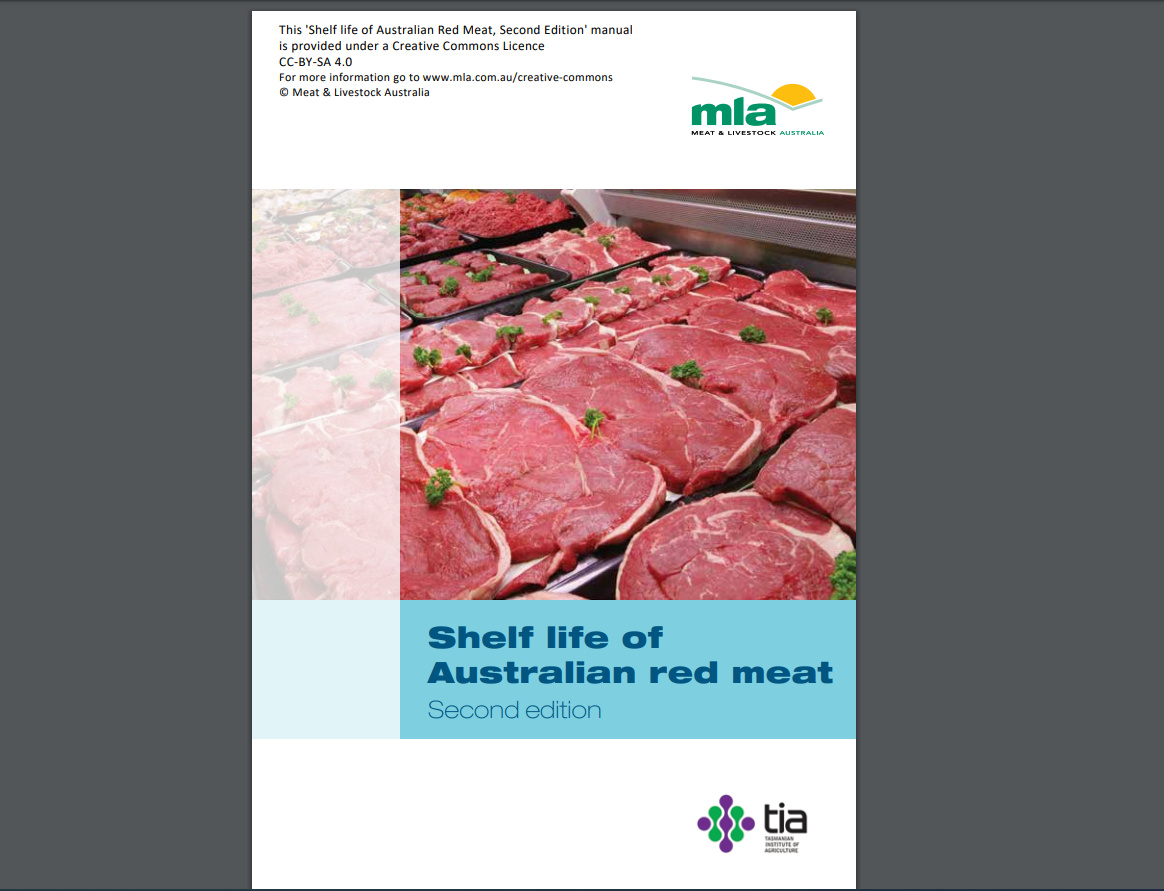
Shelf life of Australian red meat

food science

Shelf life of Australian red meat

Australian meat has a reputation around the world for excellent shelf life. The Australian meat industry produces meat products with shelf lives ranging from a few days (entire cuts, roasts and ground meats) to several months (vacuum-packed primals) to more than one year (frozen manufacturing meat). The industry services domestic and export markets in the retail and further processing sectors, all of which impose specifications or standards which relate to shelf life.

The purpose of this book is to explain the important elements that contribute to shelf life so that everyone in the supply chain can do their part to maintain a superior standard. It is also intended for Australian meat customers so that they can understand the technical aspects of the product, what to expect of
Australian meat and how to set appropriate criteria for product acceptance.

As will be seen from the Contents page, the scope of this book is wide.

It provides up-to-date information on the shelf life of Australian meat for a range of users who operate in the technical, regulatory and marketing spheres. To satisfy this broad spectrum of readers, each section is ‘paced’, progressing from a basic level and ending with the latest research work; a reference list is provided at the end of each section for those who wish to read further.
This second edition contains numerous research updates from CSIRO and University of Tasmania on shelf life of primals and sub primals, and on interventions. The shelf life predictor has also been developed to a stage where it has great potential value, especially for emerging markets where the
cold chain infrastructure is not well developed.

Download the book.

shelf-life-of-australian-red-meat-2nd-edition.pdf (1.3 MB)

Resoruce.
https://www.mla.com.au/

1 post – 1 participant

Read full topic

https://fstdesk.com/t/shelf-life-of-australian-red-meat/6099

How to Determine the Shelf Life of Food

food science

How to Determine the Shelf Life of Food

This guidance document is intended to help food operators who process, prepare and handle food to
determine the shelf life of their food products and to apply appropriate date marking. It describes:

  • how shelf life is defined;
  • the causes of food deterioration and spoilage;
  • why food may become unsafe during storage;
  • how to decide whether a ‘best-before’ or ‘use-by’ date mark is required;
  • the information needed to work out what the shelf life is; and
  • how to ensure the safety of chilled foods.
    The shelf life of many foods can be extended through various means including chilled storage. Low
    temperatures slow down chemical changes and growth of many spoilage and pathogenic microorganisms (bacteria, yeasts and moulds) and any toxin formation. However some pathogenic bacteria are able to grow at the low temperatures used for refrigeration and chilled storage. These are referred to as cold-tolerant bacteria.

The type and length of storage may provide the suitable conditions and time for the cold-tolerant bacteria to grow in number so that the food becomes unsafe after a period of time, even if low numbers are present after manufacture. This will impact on the shelf life and safety of the food especially where the food is considered to be ready-to-eat. Ready-to-eat foods are those foods where there is no further processing that will reduce or eliminate harmful microorganisms before consumption.
The focus of this guidance document is therefore on determining the shelf life of chilled ready-to-eat foods.

This guidance document may provide some useful information for manufacturers and processors of other foods.

In this guidance document for any references to sections included refer to sections in this guidance document unless it is otherwise stated.

how-to-determine-shelf-life-food-guidance.pdf (1.2 MB)

Resource.
Ministry for Primary Industries
https://www.mpi.govt.nz/

2 posts – 2 participants

Read full topic

https://fstdesk.com/t/how-to-determine-the-shelf-life-of-food/6094

Thoughts on the future of 3D food printing?

food science

Thoughts on the future of 3D food printing?

I’m currently doing my thesis project on assessing consumer perceptions of 3D printed foods. How do you think of 3D food printing and what do you think the future of it will be? Would love to hear from other food scientists!

4 posts – 3 participants

Read full topic

https://fstdesk.com/t/thoughts-on-the-future-of-3d-food-printing/6071